Memory foam pillows are designed to provide targeted support and pressure relief by conforming to the shape of the head and neck. The material adapts to movement, promoting spinal alignment while reducing points of strain. In this category, understanding foam density, shape profiles, and ventilation helps distinguish models suited for side, back, or stomach sleepers.
Key features to evaluate include темпераture regulation, airflow channels, and cover fabric. Ventilated memory foam pillows encourage breathability, while gel-infused or open-cell foams help dissipate heat. For nurseries or changing environments, selecting hypoallergenic covers and easy-care fabrics can improve overall sleep hygiene and longevity.
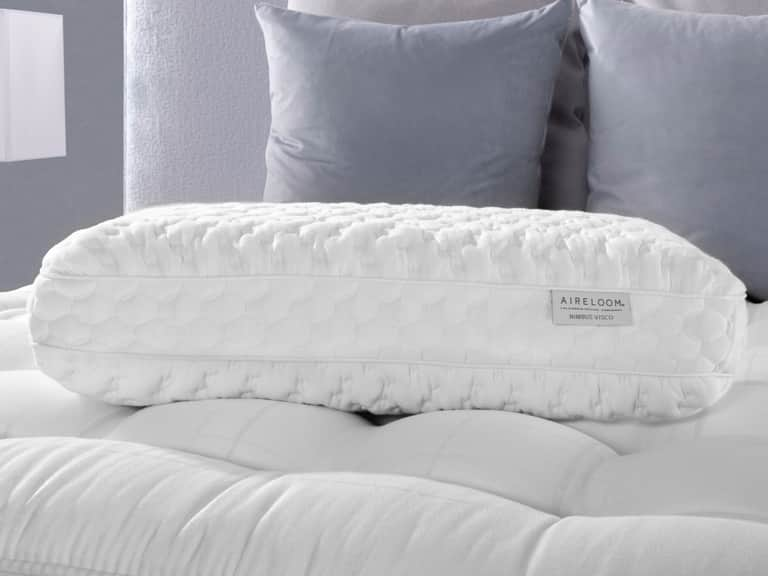
Aireloom Nimbus Visco High Profile Pillow exemplifies high-density memory foam with contouring support for taller sleepers or those needing enhanced neck stabilization. Its high profile delivers substantial elevation, while viscoelastic properties respond gradually, maintaining alignment through shifts in sleep posture for consistent comfort throughout the night.
In terms of usability, consider the pillow’s firmness level, loft, and edge support. A firmer feel with a higher loft often suits side sleepers, whereas a medium feel may be preferable for back sleepers. Proper orientation and pillow height can reduce snoring and morning stiffness, supporting restorative sleep cycles.
Within memory foam pillows, performance varies with foam chemistry and construction. Look for labels indicating compliant materials, durable cores, and washable covers. This category integrates considerations for bedding ecosystems, including organic mattresses and nursery-safe options, while emphasizing functional benefits like pressure relief, alignment, and long-term shape retention.
 Bedding