Why a latex topper matters
Latex toppers sit atop a mattress to refine comfort, enhance pressure relief, and regulate temperature. Natural latex is renowned for its responsiveness: it contours to the body with a buoyant bounce that resists the sinking feel of some memory foams. For sleepers who crave a balance between support and contour, a latex topper can transform an average mattress into a sleep surface that aligns the spine and cradles pressure points without trapping heat.
The bed you lie on is a system of parts: the core mattress, the topper, the sheets, and the room itself. A topper changes the surface feel without requiring you to replace the entire bed. In the past, sleepers relied on wool layers, feather toppers, or cotton batting to soften a firmer foundation. Latex offers a modern alternative that fuses natural materials with durable engineering, making it a compelling component for both eco-conscious and comfort-focused households.
Latex toppers: blends, densities, and forms
Latex toppers come in several forms: all-natural latex made from rubber tree sap, blended latex combining natural and synthetic materials, and synthetic latex that mimics natural properties. Density, typically measured in pounds per cubic foot (PCF), influences feel, durability, and support. As a rule, higher density latex tends to be more durable and supportive, while lower density offers a plusher, more cushion-like surface.
Beyond density, the choice between Dunlop and Talalay processes influences feel and breathability. Dunlop latex tends to be denser and more resilient, delivering solid support with a slightly firmer surface. Talalay latex is often lauded for its airy, uniform cell structure—producing a softer, more buoyant feel with improved pressure relief. Both have their advocates, and the right choice hinges on your sleep position, body weight, and climate.
Ventilation is another critical factor. Natural latex with open-cell structures and breathable covers promotes airflow, helping manage temperature through the night. Some toppers feature perforations or pin-core holes to further enhance breathability. When testing toppers at home, press the surface gently with your hand and note how quickly it returns to shape; a well-ventilated latex top should rebound smoothly without leaving a deep indent.
Care and longevity: rotation, cleaning, and renewal
Proper care extends the life of a latex topper. Regular air-out sessions help prevent moisture buildup. If the topper has a removable cover, follow the manufacturer’s washing instructions; most covers tolerate machine washing on a gentle cycle. For the latex itself, spot-cleaning with a mild detergent and lukewarm water is sometimes appropriate, but avoid saturating the material, which can compromise its structure.
Rotation is a simple yet effective practice to promote even wear, especially for heavier sleepers or those who rotate positions through the night. If the topper is compatible with adjustable bases, you can alternate its orientation to distribute weight more evenly over time. Checking for sagging, persistent lumps, or changes in contour is part of a proactive assessment that helps you decide when it’s time to replace or refresh.
Signs it’s time to replace your latex topper
- Noticeable sagging or permanent indentations that don’t revert after flipping or rotating.
- Persistent lumps or uneven surfaces that disrupt spinal alignment.
- Unpleasant odors persisting after airing out, suggesting material degradation or moisture damage.
- Visible wear around edges or seams that compromises structural integrity.
A well-chosen latex topper can add years of comfort, but, like all sleep surfaces, it has a lifecycle. When the surface no longer supports your preferred sleep posture, it may be time for a refresh, either through a higher-density latex topper, a different processing method, or a completely new mattress system.
Three key figures across time: a thread through sleep culture
To illuminate how our understanding of sleep and comfort has evolved, we turn to voices from distinct eras—each offering a different perspective on bedding, support, and the human body in repose.
1) Hypnos, Ancient Greece (The God of Sleep as an early conceptual guide)
In antiquity, sleep was not only a physiological process but a ritual and a symbol of rest from mortal toil. Hypnos, the personification of sleep, embodies the essential human need for a surface that accommodates repose. While not a scientist in the modern sense, Hypnos embodies the early recognition that the sleep surface—soft where needed, firm where necessary—modulates the journey from wakefulness to unconscious restoration. The ancient understanding of bedding often involved natural materials: animal fibers, woven fabrics, and layered textiles intended to cradle the body and wick away moisture.
2) Andreas Vesalius, Renaissance anatomist (Careful attention to alignment)
Centuries later, Vesalius redirected focus toward the anatomy that underpins health. While his work centered on human anatomy, the underlying principle translates to sleep surfaces: alignment. In his era, the concept of a proper support system for the spine began to register in medical thought. The idea that a well-designed surface could reduce strain, improve circulation, and support bodily form during rest echoes in modern latex toppers that balance contouring with resilience. The reproducible precision of anatomical study mirrors the methodical way we evaluate density, material, and ventilation in a latex-based sleep surface today.
3) Virginia Woolf, 20th-century observer of daily life (Comfort as a habit of living)
In the 20th century, Woolf’s attention to interior spaces reveals how bedding and sleep intersect with routines, psychology, and daily life. Her introspective writing invites readers to consider how the bed is a sanctuary—an intimate stage where the body seeks relief from the world. In this sense, the latex topper is a modern instrument for comfort that translates the idea of a sanctuary into a tangible, measurable surface—responsive yet grounded, soft yet supportive. Woolf’s focus on lived experience reminds us that the best sleep surfaces blend science with the poetry of rest.
Products that exemplify latex toppers in practice
For readers seeking direct, real-world examples of latex toppers in action, consider models from reputable brands that emphasize organic materials, density options, and thoughtful design. The following options illustrate the spectrum—from plush to firmer support—and demonstrate how top-layer materials and layer structure affect feel and durability.
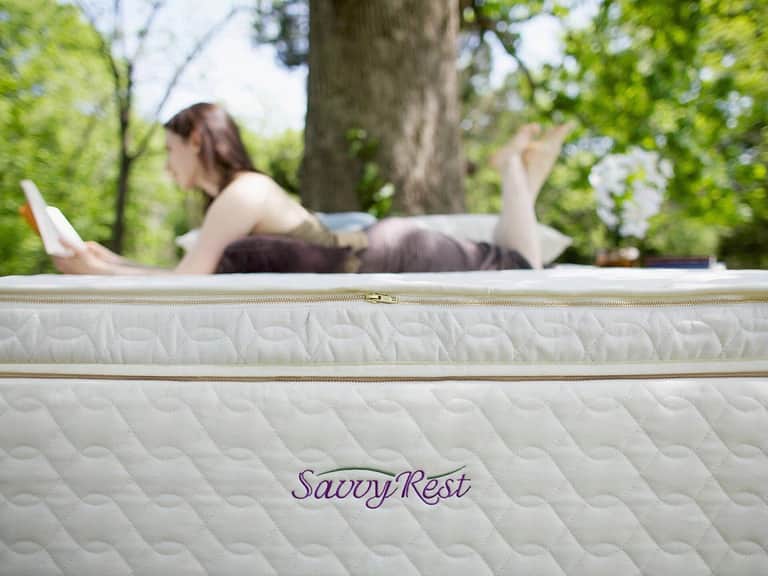
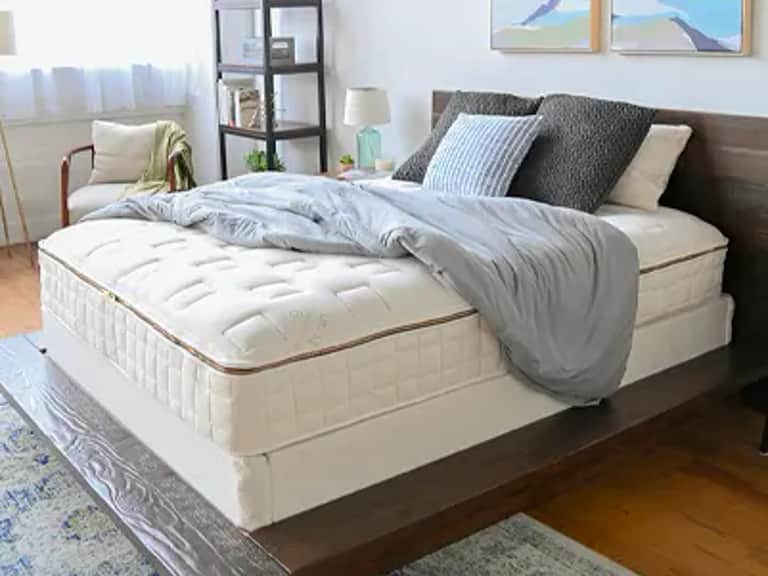
Savvy Rest Unity Pillowtop Latex Mattress
A luxury latex mattress that combines Dunlop and Talalay latex with a pillowtop topper for enhanced softness on the surface. The Unity Pillowtop is designed for side sleepers who seek pressure point relief without compromising overall support. The layered construction enables customization, letting you tailor firmness on each side of the bed.
Key features: Organic cotton cover, 20-year warranty, customizable layers, pillowtop surface.
Price: 3149.00 USD
Naturepedic EOS Classic Mattress
A fully organic, customizable mattress featuring Dunlop latex layers, with options for vegan configurations. Its multi-layer system allows 90-day layer swaps to experiment with feel, making it a practical example of how a latex-based surface can adapt to evolving sleep preferences.
Key features: 12" height, organic fabrics, modular layers, eco-friendly materials.
Price: 2399.00 USD
These products illustrate the practical application of latex toppers in contemporary bedding. They underscore the potential for customization, organic materials, and a balanced approach to comfort—principles that align with a non-commercial, educational approach to sleep science.
Conclusion: latex toppers as a bridge between science and comfort
Latex toppers offer a compelling middle ground for sleepers seeking a surface that responds to the body, supports posture, and breathes with the night air. By understanding density, processing methods (Dunlop vs. Talalay), and care routines, readers can make informed choices without feeling pressured by brand marketing. The three historical voices remind us that the quest for restorative sleep spans centuries, but the tools we use to pursue it—careful selection, maintenance, and a willingness to test and adapt—remain remarkably constant.
As you contemplate your next upgrade, consider how a latex topper fits into your broader sleep environment: the mattress beneath, the room’s temperature and airflow, and your personal sleep posture. The right combination can elevate the ordinary bed into a sanctuary of rest—an enduring investment in health, mood, and daily vitality.